New South African Support Centre takes aim at the hidden pressures of private healthcare in private Practice.
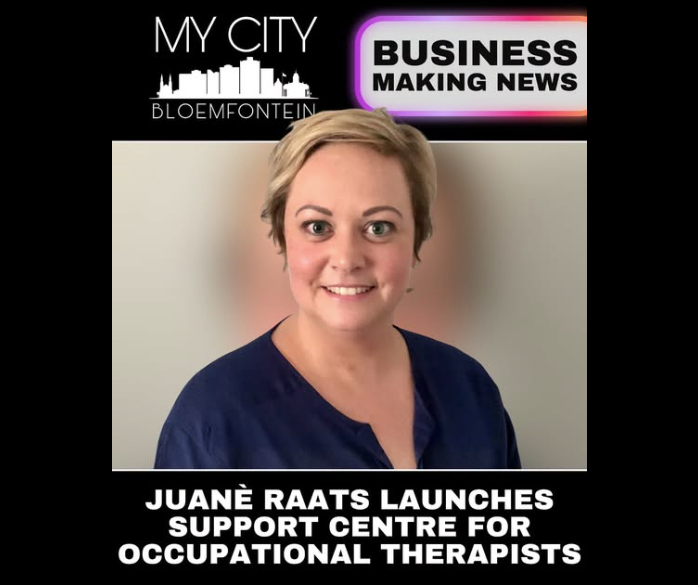
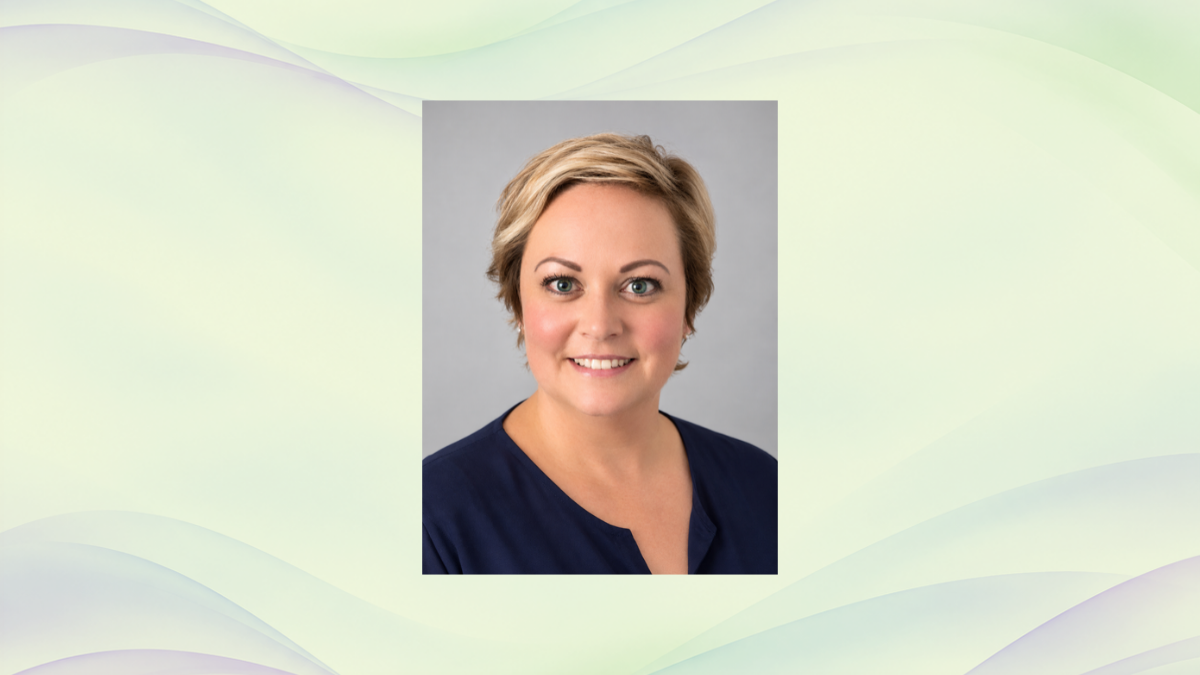
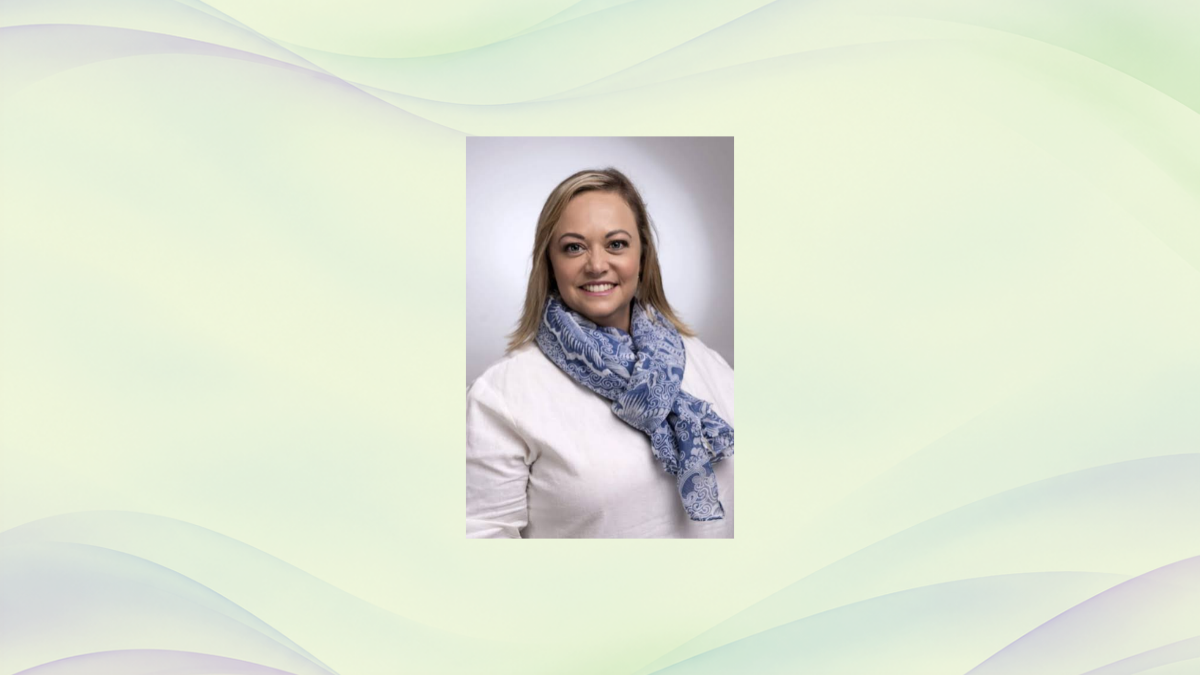
New South African Support Centre takes aim at the hidden pressures of private healthcare in private Practice.In November 2026 South African Occupational Therapist and private Practice Owner Juanè Raats launched the Occupational Therapy Support Centre (OTSC) after almost 10 years of development, creating a central support platform for Occupational Therapists who are increasingly expected to manage the demands of running a business while still delivering quality Patient-care. The launch highlights a challenge that is often overlooked in private healthcare: Clinicians are trained to treat Patients, but many enter private Practice with little preparation for the administrative, operational and compliance responsibilities that come with owning and managing a healthcare business. These include Staff management, Record keeping, Policies, Patient information, business systems and regulatory requirements.
Raats says this creates pressure that can affect both the Practitioner and the Practice. “You qualify as an Occupational Therapist because you want to work with Patients, but once you open a Practice, you quickly realise that clinical work is only one part of your day. You are also expected to manage people, systems, administration, compliance and the business itself.” Raats qualified as an Occupational Therapist in 2003 and opened her first Practice in Bloemfontein in 2004 before later expanding to Bethlehem and Kimberley. Over more than two decades in private Practice, she began developing her own systems, documents and processes to manage the non-clinical side of running a Practice. What began as a practical solution for her own business, gradually developed into a larger idea. Raats says she saw that many Occupational Therapists were dealing with the same challenges independently, often spending hours developing documents, Policies and systems that already existed elsewhere in the profession.
“That was the turning point for me,” she says. “I realised that highly trained Practitioners were spending valuable time solving the same administrative problems repeatedly. That time could have been spent on Patients, Staff development or building stronger Practices.” OTSC brings together support in areas including business management, human asset management, training, POPIA and PAIA compliance, and professional networking. The platform is also developing Occupational Therapy-specific resources such as administrative documents, report templates, treatment protocols, evaluation resources and Home Programs.
In the future Raats is also planning a Practitioner-inter-referral network which will also form part of the initiative, with the aim of helping Occupational Therapists to connect, collaborate and refer more effectively. Raats says the wider issue is not simply about making administration easier. “If the business side of a Practice is poorly managed, the pressure eventually affects the Practitioner, the Staff and the Patient experience. Stronger systems give Clinicians more space to focus on the work they were trained to do.”
After almost a decade of development; OTSC is now live at www.otsc.co.za.